The Farmer
Field School
A hands-on, practical training in beekeeping, livestock, and crop production, combined with essential knowledge in financial literacy, farm management, and entrepreneurship for those interested in building sustainable farm businesses.
Our Approach
The program is built on a people-centred, land-based approach to learning. It is designed to create a supportive and participatory environment where equity-deserving farmers, whether from Indigenous, racialized, immigrant, or any other equity-deserving communities, can come together to learn, share, and grow.
The program welcomes both beginner and experienced farmers who are looking to expand their skills and deepen their connection to sustainable agriculture in Canada.
Program Overview
Virtual Sessions (January 2026 – April 2026): Participants will begin their journey through weekly, interactive Zoom sessions focused on foundational knowledge in sustainable agriculture, farm planning, and management.
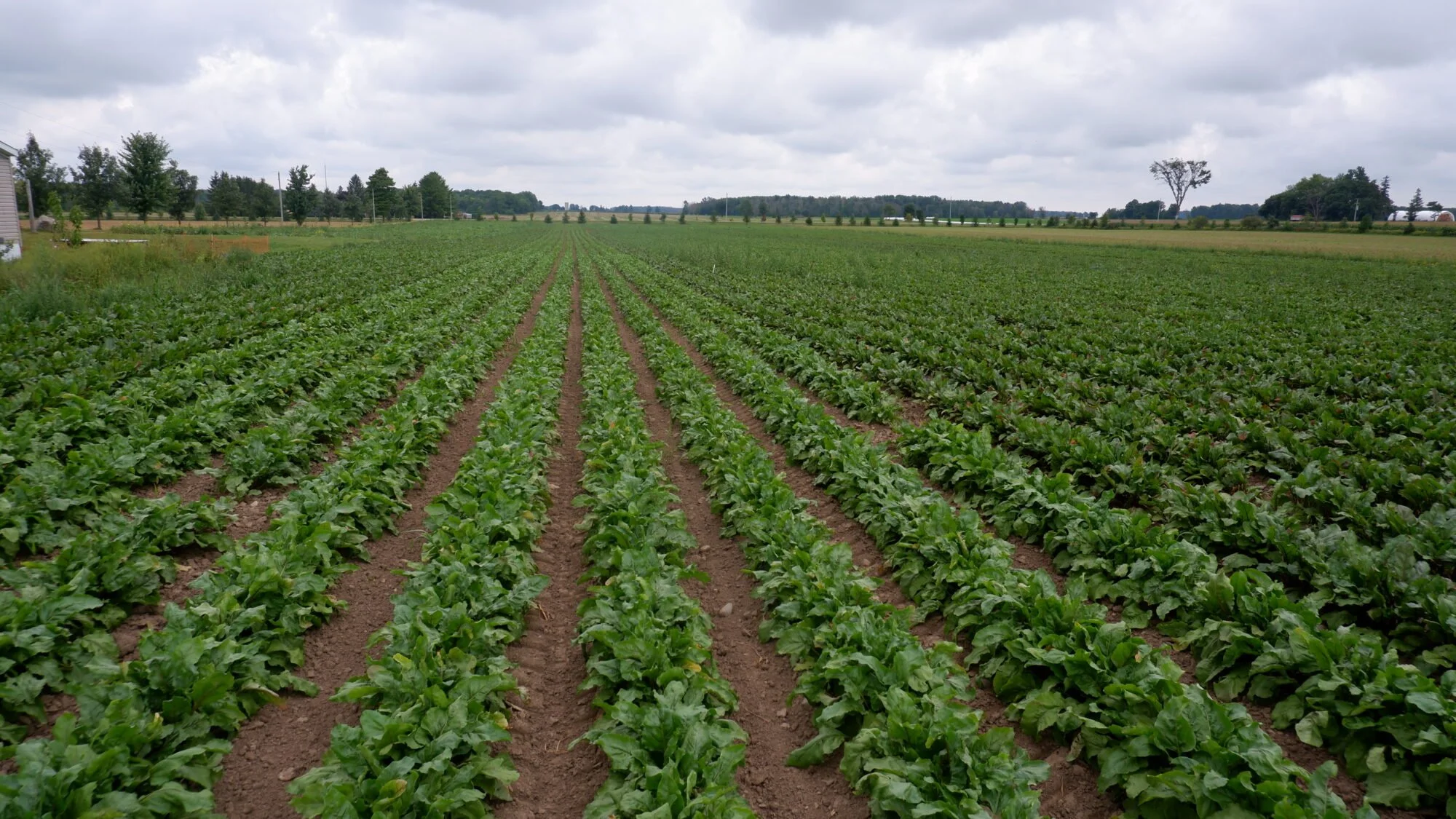
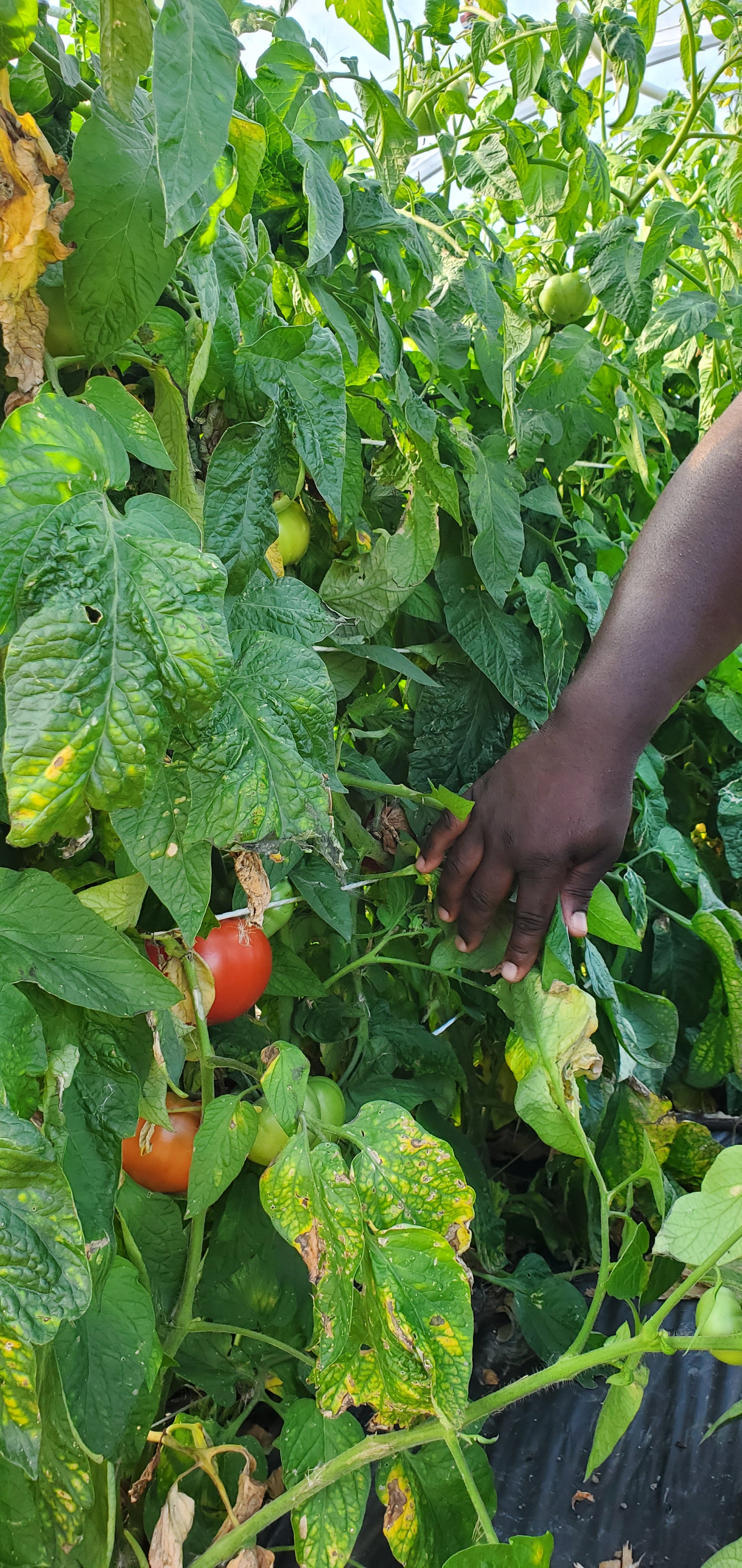
Field Training (April – September 2026): Learning shifts outdoors at the FFS site in Tiverton, where participants will engage directly in hands-on activities with crops, livestock, and beekeeping.
Program Wrap-Up (October 2026): The program concludes with a reflection and graduation ceremony celebrating each participant’s growth, achievements, and plans for the future.
The program combines practical training in sustainable agriculture — including beekeeping, livestock care, and crop production — with critical skills in financial literacy, farm management, and entrepreneurship. It’s not just about learning how to farm, but how to build and sustain a thriving, community-oriented farm business.
Throughout the program, farmers will gain access to mentorship and networking opportunities with experienced producers — particularly from racialized communities — ensuring a supportive environment that extends beyond the classroom and field.
By the end of the program, participants will have developed both technical farming skills and strategic farm business plans, gained valuable connections, and strengthened their confidence to contribute meaningfully to Canada’s sustainable food future.
Applications for the 2026 Farmer Field School are now closed. If you are interested in participating in the program this season or in later cohorts, please email Tolulope Ayeyemi, Sustainable Agriculture Field Lead.
Inclusive Prosperity acknowledges that our Tiverton Farm is located within the Saugeen Ojibway Nation Territory, the shared treaty and traditional lands of the Chippewas of Saugeen First Nation and the Chippewas of Nawash Unceded First Nation (Neyaashiinigmiing).
We recognize and honour the original caretakers of this land, whose deep knowledge, stewardship, and relationship with the soil, water, plants, and animals have sustained life here for generations. Farming and food production have long been integral to Indigenous ways of knowing and living — practices rooted in reciprocity, respect, and balance.
As we cultivate the Tiverton Farm, we commit to upholding these principles of stewardship and reciprocity, learning from and building respectful relationships with the Saugeen Ojibway Nation and Indigenous communities. We aim to engage in agricultural practices that honour the land’s history, nurture its health, and contribute to a just, sustainable, and inclusive food future for all.
Thank You
This project is funded in part by the Governments of Canada and Ontario under the Sustainable Canadian Agricultural Partnership, a federal-provincial-territorial initiative.
The project is funded by the Agricultural Workforce Equity and Diversity Initiative (AWEDI) through the Ontario Ministry of Agriculture (OMAFRA).